
15 No-Prep Sunday School Activities for Busy Teachers
Sometimes Sunday morning arrives before the craft supplies do.
Maybe another teacher called out at the last minute. Perhaps your carefully planned activity ended much sooner than expected. Or maybe it has simply been a full week, and you need a meaningful activity that does not require a late-night dash to the store.
These no-prep Sunday school activities can help you fill a few extra minutes, review a Bible story or reinforce a truth from Scripture without a complicated supply list.
These ideas are not intended to replace a complete Sunday school lesson. Instead, they are short activities you can use alongside your regular teaching. Most require no supplies at all. Others need only a Bible, paper or a ready-to-print activity page.
Save this list for busy weeks, substitute teachers and those Sunday mornings when your plans need a quick Plan B.
What Counts as a No-Prep Sunday School Activity?
Not every activity described as “no-prep” is truly ready at a moment’s notice. Some still require the teacher to hunt down balloons, tape 20 clues beneath chairs and locate three pool noodles before breakfast.
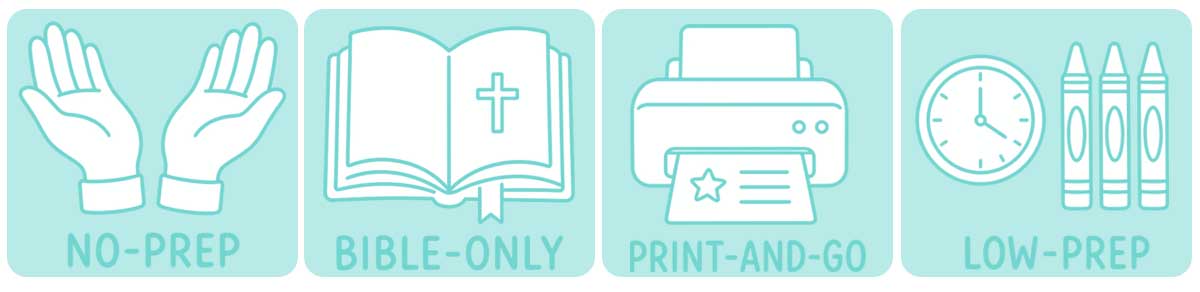
For this list, we are using four simple categories:
No-prep: No advance setup or special supplies are needed.
Bible-only: The activity requires only one or more Bibles already available in the classroom.
Print-and-go: The teacher prints a prepared page and provides pencils or crayons.
Low-prep: The activity requires five minutes or less of preparation using common classroom supplies.
The best activity will depend on your children’s ages, group size and energy level. Choose one that supports the Bible story or lesson you are already teaching rather than adding an unrelated game simply to fill time.
Last-Minute Sunday School Ideas and Games
1. Bible Story Freeze-Frames
Best for: Elementary-age children and mixed-age groups
Time: 5 to 10 minutes
Supplies: None
Name a scene from a familiar Bible story and invite children to work together to create a silent, frozen picture of that moment.
For example, children might pose as:
- David facing Goliath
- The disciples in a boat during the storm
- The shepherds hearing the angels’ announcement
- Zacchaeus sitting in a tree
- Moses leading the Israelites through the Red Sea
The rest of the class can guess which story or scene is being shown. Afterward, ask the children to explain what happened immediately before and after that moment.
Bible connection: This activity helps children remember important events and place them in the correct sequence.
2. Who Am I?
Best for: All ages
Time: 5 minutes
Supplies: None
Choose a Bible character and give the children one clue at a time. Begin with a difficult clue and make each new clue a little easier.
For Noah, you might say:
- God asked me to do something unusual.
- My family and I survived a great flood.
- I cared for many animals.
- I built an ark.
After the children identify the character, ask what that person learned about God or how that person responded to him.
Older children can take turns creating their own clues for the class.
Bible connection: Children review Bible people, events and character choices.
3. What Happens Next?
Best for: Preschool and elementary-age children
Time: 5 to 10 minutes
Supplies: None or a Bible
Begin telling a familiar Bible story, then stop at an important moment.
You might pause when:
- Daniel is placed in the lions’ den.
- Jonah is thrown into the sea.
- The Israelites reach the Red Sea.
- The disciples realize they do not have enough food for the crowd.
- Mary Magdalene discovers that Jesus’ tomb is empty.
Ask, “What happens next?”
Let children take turns continuing the story. Once they finish, briefly review the biblical account and correct any details that became scrambled along the way.
Bible connection: Children practice listening, recalling and sequencing the events of Scripture.
4. Around-the-Circle Story Retell
Best for: Elementary-age children
Time: 10 minutes
Supplies: None
Seat children in a circle. Begin retelling the day’s Bible story with one sentence. The child beside you adds the next sentence, and the story continues around the circle.
Encourage each child to add only one event or detail. This keeps one enthusiastic storyteller from galloping away with the entire account.
After everyone has participated, ask:
- Did we leave out an important part?
- Which part of the story shows us something about God?
- What should we remember from this story?
Bible connection: Retelling helps children organize what they heard and identify the story’s most important events.
5. Stand Up If It Is True
Best for: Preschool and elementary-age children
Time: 5 minutes
Supplies: None
Make a series of statements about the Bible story. Children stand when a statement is true and remain seated when it is false.
For a lesson about David and Goliath, you might say:
- David was a shepherd.
- Goliath was afraid of David.
- David trusted God.
- David wore King Saul’s armor during the battle.
- David defeated Goliath with a sling and a stone.
Pause after each answer to let children explain why the statement is true or false.
Children who cannot or prefer not to stand can raise a hand, point up or down or show a thumbs-up or thumbs-down.
Bible connection: This simple game quickly reviews story details and clears up misunderstandings.
6. Bible Would You Rather?
Best for: Elementary-age children
Time: 5 to 10 minutes
Supplies: None
Ask children to choose between two experiences connected to a Bible story.
Try questions such as:
- Would you rather have watched David face Goliath or Daniel walk out of the lions’ den?
- Would you rather have helped distribute food to the 5,000 or helped collect the leftovers?
- Would you rather have been in the boat when Jesus calmed the storm or waiting on the shore?
- Would you rather have traveled with Paul or helped protect baby Moses?
The most important part comes after the choice. Ask children to explain their answers using something they know from Scripture.
Keep the questions respectful. The goal is to help children think about the biblical account, not to turn serious events into silly entertainment.
Bible connection: Children consider the setting, emotions and experiences of people in the Bible.
7. Memory Verse Motions
Best for: All ages
Time: 5 to 10 minutes
Supplies: None
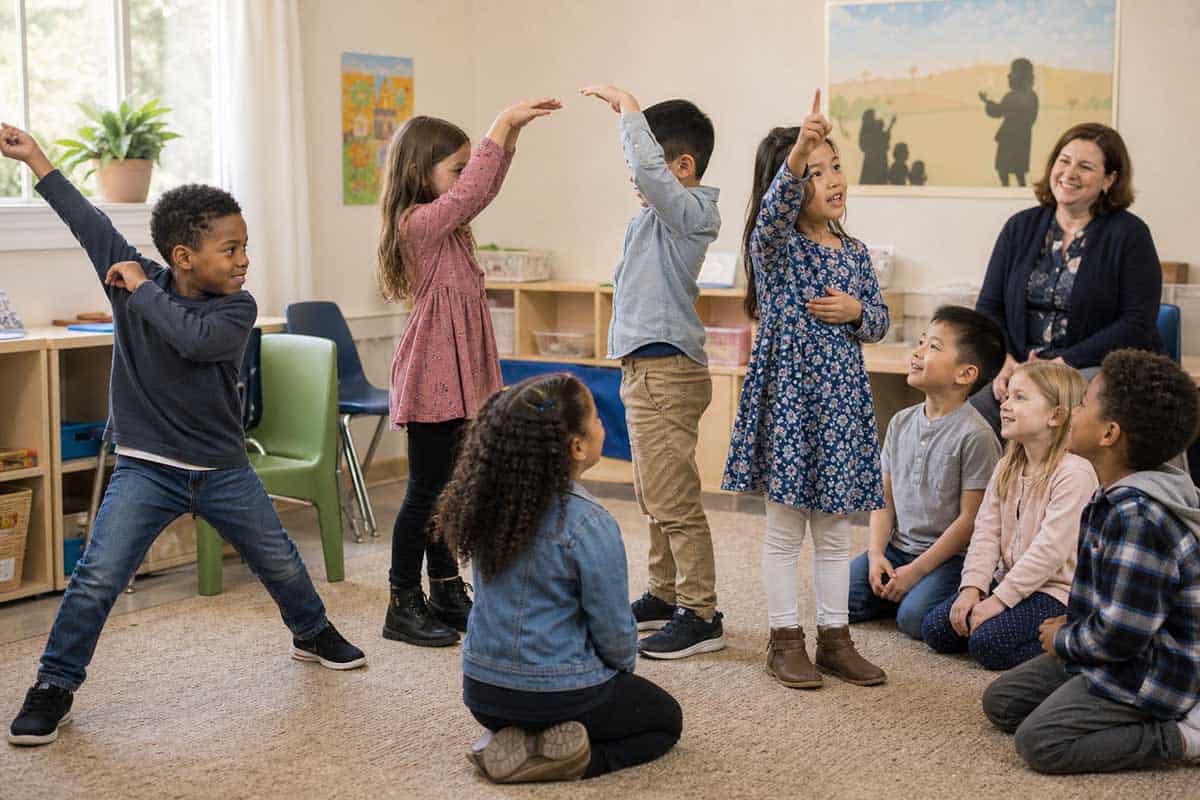
Read the memory verse aloud. Then invite children to create a simple movement for each phrase.
For Psalm 56:3, children might:
- Point to themselves for “When I am afraid”
- Place their hands over their hearts for “I put my trust”
- Point upward for “in you”
Repeat the verse several times using the motions. Then whisper the words, remove a few phrases or use only the motions to see whether children can remember the verse.
Bible connection: Movement gives children another way to practice and remember Scripture.
8. Human Bible Timeline
Best for: Elementary-age children
Time: 10 minutes
Supplies: None
Choose several children to represent different events from a Bible story. Quietly tell each child which event they represent.
For the story of Jonah, the events might include:
- God tells Jonah to go to Nineveh.
- Jonah boards a ship going the opposite direction.
- A storm threatens the ship.
- Jonah is thrown into the sea.
- A great fish swallows Jonah.
- Jonah prays and obeys God.
Ask the class to arrange the children in the correct order. Each “event” can then explain what happened at that point in the story.
Bible connection: Children see how the events of a Bible story fit together and lead to its conclusion.
No-Prep Activities Using Only Bibles
9. Find It Fast
Best for: Children learning to use the Bible
Time: 5 to 10 minutes
Supplies: Bibles
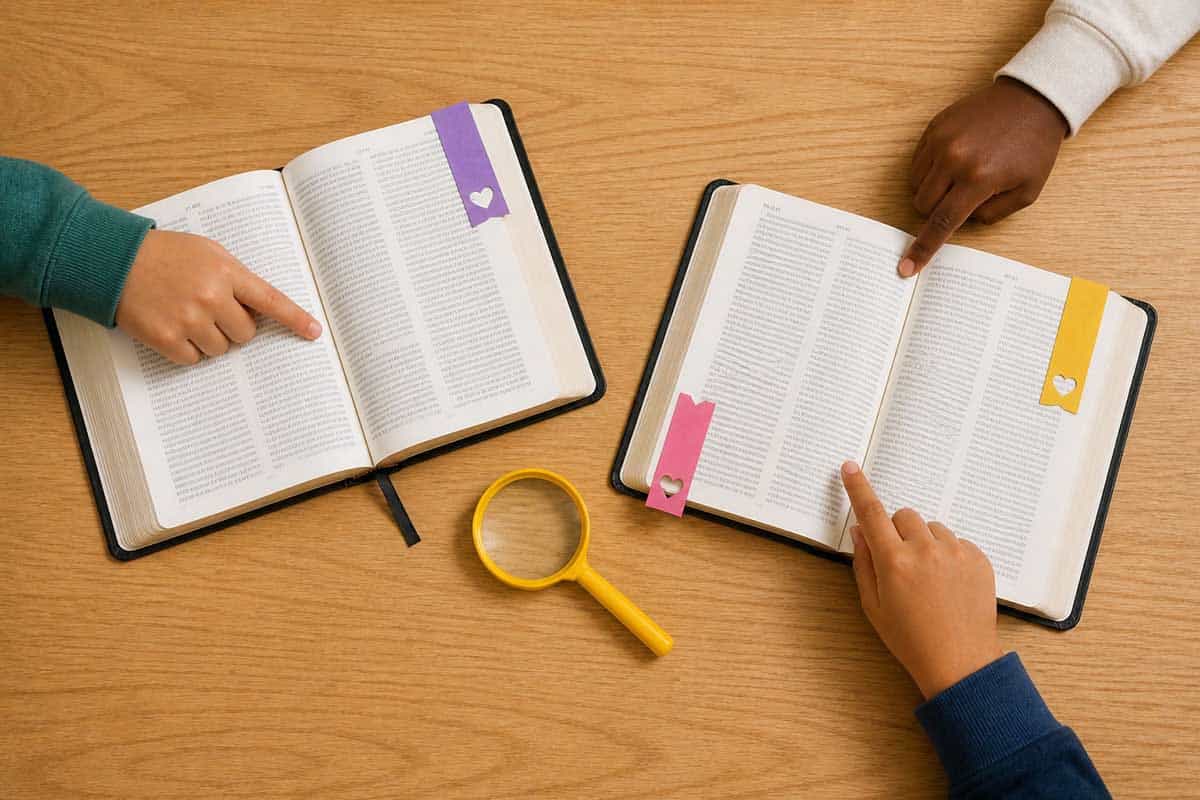
Call out a Bible reference and have children locate the passage.
Avoid eliminating children who need more time. Instead, let the first child who finds the verse quietly help someone else. This keeps the activity encouraging and allows everyone to practice.
For beginners, start by naming the Old or New Testament and helping them find the book. Older children can search independently or work in pairs.
Once everyone finds the verse, read it together and ask one simple question about what it says.
Bible connection: Children become more comfortable locating and reading Scripture for themselves.
10. Passage Detectives
Best for: Elementary-age children
Time: 10 minutes
Supplies: Bibles
Read a short Bible passage together. Then ask children to become passage detectives and look for a particular kind of clue.
Ask them to find:
- A repeated word
- A promise
- A command
- Something God did
- Something a person said
- A word that describes an emotion
- A reason something happened
Let children point to the words or read them aloud.
Bible connection: Children slow down, observe the text and discover details they might miss during a quick reading.
11. What Does This Teach Us About God?
Best for: Elementary-age children
Time: 5 to 10 minutes
Supplies: A Bible
Read a short verse or passage. Ask children what it reveals about God.
They might notice that God is:
- Powerful
- Faithful
- Loving
- Holy
- Patient
- Forgiving
- Near to people who call on him
Encourage children to point to a word, action or promise in the passage that supports their answer.
This activity can be used with almost any Bible story. It also helps keep the discussion centered on God rather than treating Scripture as only a collection of stories about people making good or bad choices.
Bible connection: Children learn to look for God’s character and work throughout Scripture.
12. Character Evidence
Best for: Older elementary children
Time: 10 minutes
Supplies: Bibles
Choose one person from the passage. Ask children to find evidence that reveals what the person believed, feared, wanted or chose to do.
For example:
- What shows that Peter was afraid?
- What shows that Ruth was faithful?
- What shows that Zacchaeus had changed?
- What shows that Esther was courageous?
- What shows that Abraham trusted God?
Children should support their answers with something the person said or did.
Bible connection: This activity develops reading comprehension while helping children understand how faith influences choices.
Low-Prep and Printable Sunday School Activities
13. Draw the Main Idea
Best for: Preschool and elementary-age children
Time: 10 to 15 minutes
Supplies: Paper and crayons or pencils
Ask younger children to draw the most important moment from the Bible story. Older children can create a four-panel comic strip showing the beginning, middle and end.
When children finish, invite volunteers to explain their pictures. Ask why they chose that moment and what it teaches them about God.
For another easy option, keep a few free printable Bible coloring pages in your classroom emergency folder. You can also learn how to make your own Sunday school coloring pages using Bible verses and black-and-white artwork.
Bible connection: Drawing helps children retell the story and decide which idea or event matters most.
14. Scripture Word Hunt
Best for: Children who can read independently
Time: 10 minutes
Supplies: A printed passage and pencils
Print a short Bible passage and give each child a copy. Ask children to mark different parts of the text.
They might:
- Circle every name.
- Underline the action words.
- Box a repeated word.
- Draw a star beside a promise.
- Place a heart beside something that shows God’s love.
- Write a question mark beside something they do not understand.
Review what they found and let the marked words guide your discussion.
Bible connection: Children interact directly with the words of Scripture instead of only listening to someone else explain them.
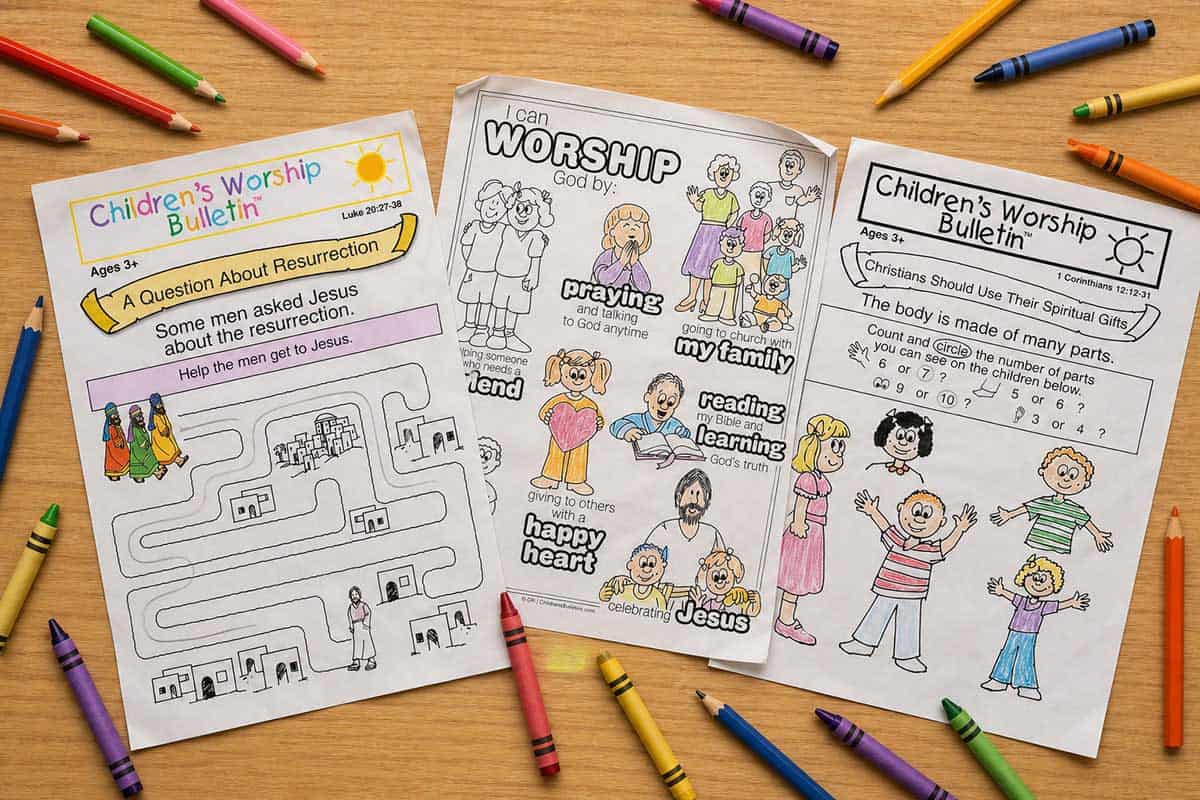
15. Print-and-Go Bible Puzzle Challenge
Best for: Preschool through preteen
Time: 10 to 20 minutes
Supplies: Printed activity pages and pencils or crayons
A Bible puzzle, maze, word search, code or seek-and-find activity can be a lifesaver during a busy week. Choose an activity that matches the Bible story or passage you are teaching.
Do not stop when the puzzle is complete. Read the featured verse together and ask one closing question, such as:
- What did this activity help us remember?
- What does this verse tell us about God?
- How can we live out this truth this week?
You can find additional free Bible games for kids on the Children’s Worship Bulletins blog. Members can also explore our collection of Bible-based Sunday school activities to find print-and-go resources connected to Scripture.
Bible connection: Printable activities reinforce the day’s Bible teaching while giving children an independent or small-group activity.
How to Make a Quick Activity Meaningful
A no-prep activity does not need to be shallow. Even the simplest game can support Bible learning when you build in a clear connection to Scripture.
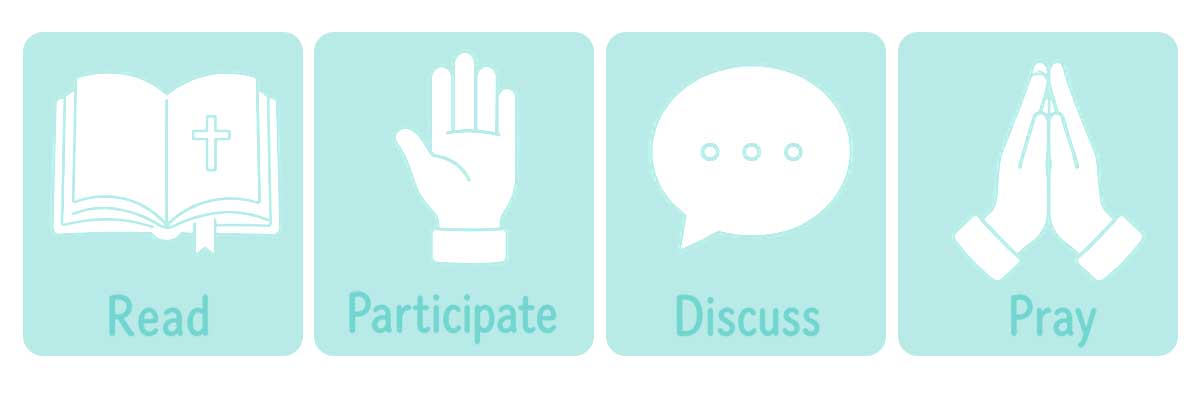
Use this four-step pattern:
1. Begin with the Bible
Briefly review the verse, story or main idea the children are learning. Avoid introducing a game without explaining how it connects to the lesson.
2. Let Children Participate
Give children an opportunity to move, answer, draw, search, retell or make a choice. Participation helps turn passive listening into active learning.
3. Ask One Good Question
You do not need a 20-question discussion guide. One thoughtful question can help children connect the activity to the Bible.
Try:
- What did we learn about God?
- What surprised you in this story?
- Why do you think this part is important?
- What can we remember this week?
- How could we respond to God?
4. Close With Prayer
Keep the prayer connected to the lesson. Thank God for what children discovered, ask for help putting the lesson into practice and give them an opportunity to pray if appropriate.
Image suggestion: Design a simple four-step process graphic with the headings “Read,” “Participate,” “Discuss” and “Pray.” Use an open Bible, raised hand, speech bubble and praying hands as the icons.
Create a Sunday School Emergency Folder
No-prep Bible games are helpful, but a small emergency folder can make last-minute Sundays even easier.
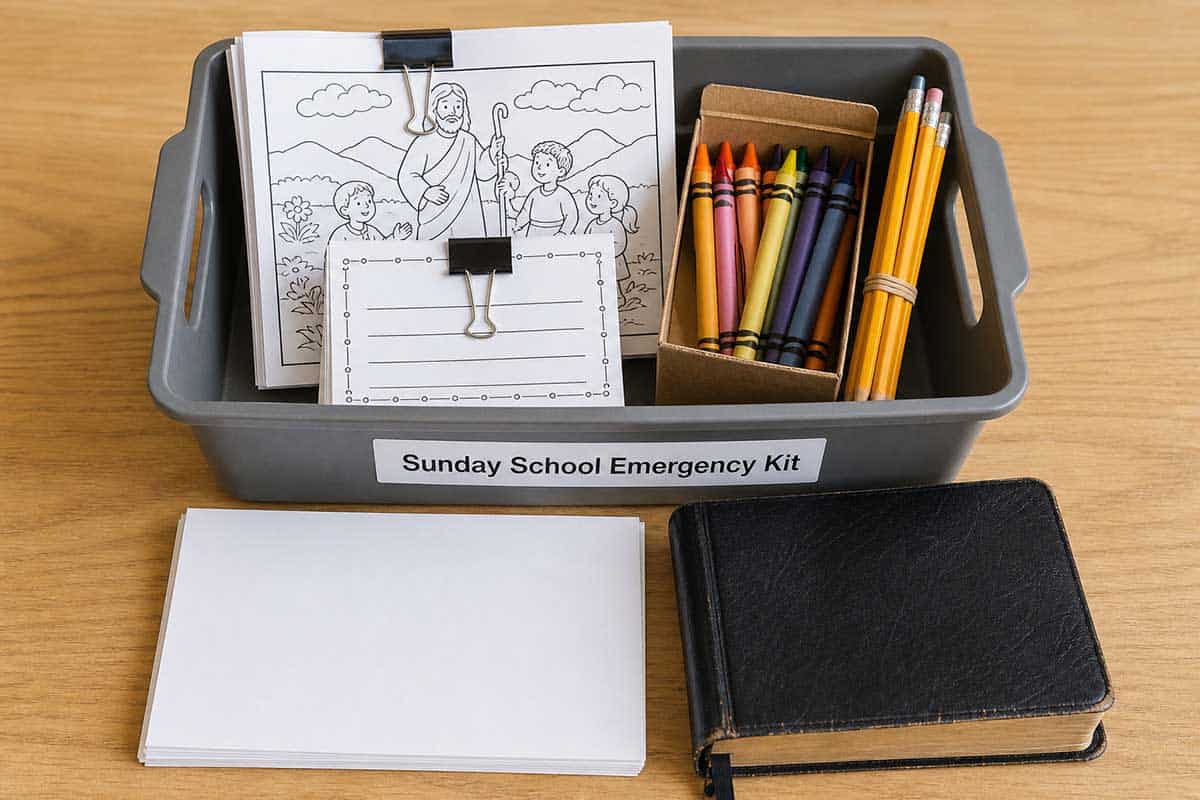
Keep it stocked with:
- A printed copy of this activity list
- Several age-appropriate Bible activity pages
- Coloring pages
- Memory verse cards
- Blank paper
- Pencils and crayons
- A list of familiar Bible stories
- Activities for early arrivals
- Quiet options for children who finish early
You can also bookmark our collection of free church lessons, bulletins and activity sheets so helpful resources are close at hand when you need them.
Be sure to replace pages and supplies as you use them. Otherwise, your emergency folder may eventually contain three broken crayons, an activity about Advent and one mysterious goldfish cracker.
Simple Activities Can Support Meaningful Bible Learning
Sunday school teachers carry an important responsibility, but every activity does not have to involve an elaborate craft, a complicated game or hours of preparation.
Children can learn through listening, moving, talking, searching, drawing and playing. What matters most is that the activity leads them back to God’s Word.
Keep a few of these Sunday School activities for busy teachers nearby. The next time you need a last-minute idea, you will have something ready that is simple to lead, enjoyable for children and connected to the Bible.
Need an activity that is already prepared? Explore Children’s Worship Bulletins Sunday school activities to find Bible-based, print-and-go resources for your children’s ministry.
Author Bio:
Children's Bulletins Team
Over the years of publication Children’s Worship Bulletins has had many contributing authors and editors. This team has worked diligently to thoughtfully craft material to assist in creating meaningful children’s worship materials.